
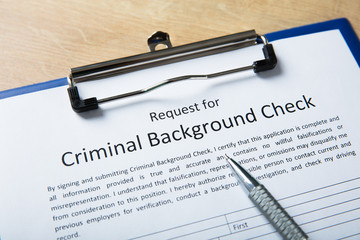
No matter the company policy or nature of a job vacancy, whether a DUI will show up on a background check is determined by various factors, including time since offense and whether offense relates directly to job seeker. The Equal Employment Opportunity Commission has provided guidelines regarding how to evaluate criminal history according to Title VII standards, with individual assessments of crime committed over time as well as whether offense is relevant.
Expungement
Many jobs require background checks and any past DUI arrest will appear on them. Even though it won’t prevent someone from landing the job they want, employers could perceive them as an increased risk to people or property.
However, if the DUI conviction has been sealed or withdrawn or adjourned in contemplation of dismissal (ACD), then this information can be excluded from a background check report as “non-disclosure.”
The Equal Employment Opportunity Commission’s guidance on using arrest and conviction records in hiring decisions makes clear that employers cannot reject an applicant for employment solely due to his/her criminal history, unless state or federal laws prohibiting this action or it relates directly to their work being performed. VIB’s expungement lawyers frequently assist clients in having arrest records sealed or previous convictions expunged from their records.
EEOC Guidance
Employers should carefully consider a candidate’s criminal background during the hiring process. A DUI conviction – even one with minor penalties – raises serious concerns about an employer’s commitment to creating a safe working environment. Employers must set forth clear policies and carefully consider all relevant circumstances of an offence before reaching a decision about hiring them.
Although a DUI arrest or conviction may be alarming for organizations, federal and state laws protect individuals with criminal records against discrimination in employment decisions. EEOC guidance advises companies when making hiring decisions to consider factors like nature of crime, duration and relevance to job requirements when making their hiring decision.
New York City law (NY Gen Bus L 380-J) also restricts the use of credit history when conducting background checks in New York, except in certain positions such as police officer or peace officer positions, executive-level roles with access to company funds or financial data, or jobs requiring licensure/certification/criminal background checks. Our expungement lawyers can ensure your background check or investigation of applicants complies with these restrictions.
Disadvantaged Applicants
Most states have laws prohibiting private employers from discriminating against prospective hires solely based on past arrest or conviction for DUI; however, this doesn’t stop employers from treating those with criminal records differently, which violates Title VII of the Civil Rights Act.
Background checks are used by many different groups that make decisions that impact people’s lives, including government agencies, professional associations to determine eligibility for licensure or membership eligibility, schools and admissions offices – as a result of this widespread usage, DUIs may appear on any background check conducted by these bodies.
An employer could violate Title VII even by applying a neutral policy that excludes some applicants with criminal records, violating it disproportionately in terms of race or national origin; this practice is known as “disparate impact” discrimination. Some states have instituted “ban the box” legislation which protects applicants from having to disclose convictions on job applications, prohibiting arrest and conviction data as the sole factor when rejecting applicants, as well as prohibits employers from using arrest and conviction data as the only reason for rejecting an applicant.
Remediation
An applicant with a DUI can have serious repercussions in terms of job prospects and professional or educational opportunities, rental applications and trust considerations when applying for positions which require professional licenses or require high trust levels.
Employers should remember that it is unlawful to discriminate based on arrest or conviction records unless the actions can be demonstrated as job-related and in line with business necessity, otherwise this likely violates Title VII of the Civil Rights Act of 1964.
If you have been charged with driving under the influence (DUI), it’s essential that you’re prepared to address it when interviewing for jobs or filling out application forms. Seeking counseling services or practicing resilience can help rebuild your life after DUI charges; be honest about any changes made and emphasize them positively – including seeking support from family or friends who can offer nonjudgmental understanding and provide a listening ear.
