
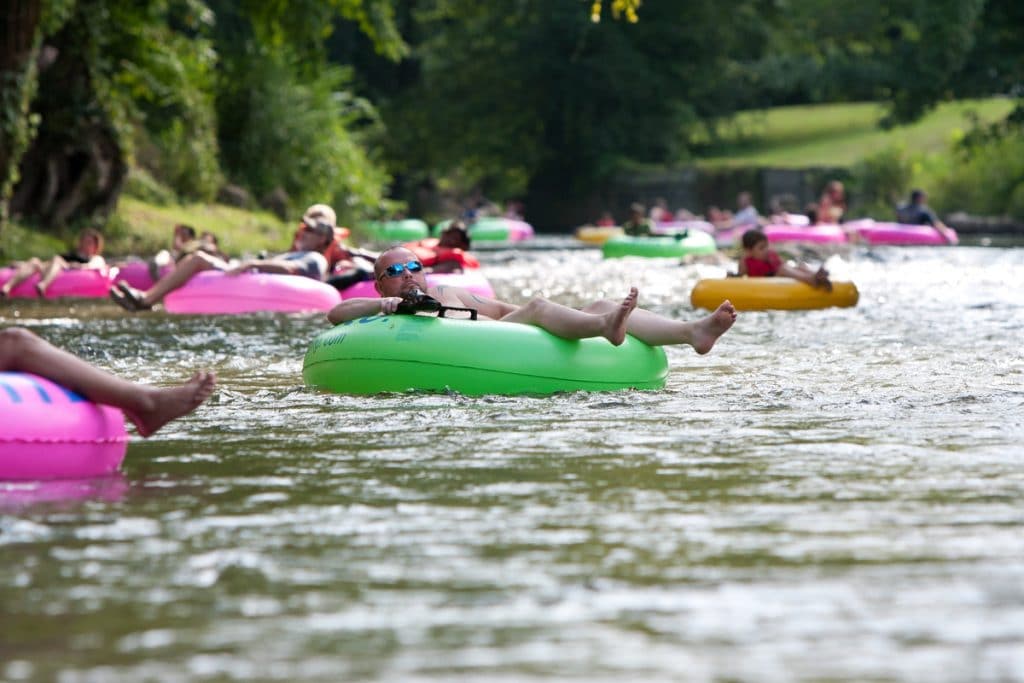
Thousands of metro Atlanta residents come to the Chattahoochee River every summer to visit for a break from the Georgia heat. The “Shooting the Hooch” is a very old custom, done on inner tubes, rafts and kayaks, floating down the river. It’s a weekend pastime for many, and that means a cooler filled with cold beers or seltzers. A great distance between a waterway and a typical land-based roadway, but a dynamic law enforcement geographical challenge all too common is the change from water to land to find an impaired user.
The happy, sunny afternoon of outdoor activity often ends with flashing lights, handcuffs and a ride to the local county jail. For those who find themselves in the middle of Georgia’s conservation laws and traffic regulations, it’s essential to grasp how Boating Under the Influence (BUI) investigations fluidly transition into the realm of traffic crimes.
This chapter examines the jurisdictional hand-off from the Rangers to the Roadside Officers.The jurisdictional hand-off from the Rangers to the Roadside Officers is explored in this chapter.
The main hazard when tubing is eating and drinking is the presence of multi-agency task forces that patrol popular take-outs on the river, including Paces Mill, Powers Island or Don White Memorial Park. Primary jurisdiction for the waters of the Chattahoochee’s waters is in the hands of the Georgia Department of Natural Resources (DNR). DNR actively monitors riverbanks and water channels in search of obvious indications of intoxication and safety issues.
But the DNR ranger’s power doesn’t stop at the water’s edge. Rangers often work directly with local municipal police, such as the Sandy Springs Police Department, Cobb County Police Department and Atlanta Police Department at high-traffic exits.
As tubers come ashore to pack their coolers in preparation for walking to their parked cars or waiting to be picked up by a rideshare, they go into a high security zone. If a person is observed by a ranger to be stumbling on the rocks of the river or to be talking slurredly, the ranger will mark that person. If that person does move to the driver’s seat in a vehicle in the parking lot, the local police units posted around that area are notified immediately. The traffic stop is not started until the vehicle leaves the park recreation area. Given these exact circumstances, it’s essential to have an Atlanta DUI Lawyer to dissect whether the initial hand-off between agencies infringed upon constitutional safeguards against unlawful search and seizure.
The Sun and Water Deception” refers to the sensation of feeling fatigued from the sun’s heat that can often mislead the brain into feeling intoxicated.
There are legal issues that come with a post-tubing arrest and one such issue is the physical impact that a day on the water has on the human body. This is sometimes called “river fatigue” and leads to physical symptoms that fit the classic “police training manual” list of clues of alcohol impairment.
Think about the environment that is present on a 4 hour float down the Chattahoochee:
Severe Dehydration: Direct sunlight will cause fluid loss to occur at a more rapid rate. Dehydration can result in watery eyes, bloodshot eyes, and cause mild disorientation / slow processing.
In an inner tube, bobbing for a good portion of an hour changes the fluid dynamics of the inner ear. Someone suddenly standing on a solid uneven surface will have an unbalanced situation.
Physical Exhaustion: All paddling, rocks and fighting the rapids deplete the core muscles which causes the person to take uncoordinated steps and movements.
If a local officer or DNR Ranger ask a tired tuberman to do the normal field sobriety tests on a gravel parking lot, the outcome is virtually guaranteed to be one-sided. The Horizontal Gaze Nystagmus (HGN) test, which is used to assess involuntary eye fluttering, can be affected by fatigue and bright sunlight off the water. The Walk and Turn and One Leg Stand tests are highly sensitive to balance and an tired and sun-damaged person would not have any balance at all without drinking alcohol.
A knowledgeable Atlanta DUI Attorney can effectively attack those test results in court and prove that the failures were due to environment and not chemical impairment, as detailed in the officer’s police report. This is where having a dedicated Atlanta DUI Attorney can help you shield yourself from very basic roadside testing techniques that fail to consider driver fatigue.
The case for implied consent is rooted in a multi-vehicle dilemma.The case for implied consent is traced to a multi-vehicle dilemma.
The laws of Georgia make a clear distinction between operating a watercraft and operating a road vehicle, but both are regulated under a strict implied consent system. A refusal to submit to a chemical test for BUI has consequences for the privilege to operate a boat in Georgia waters when floating on a raft. When the state says you were driving a “traditional” motor vehicle while under the influence in the parking lot or on an adjacent roadway, however, your regular driver’s license is in instant jeopardy.
The defense in a dual-natured investigation is very technical in nature and requires a very detailed approach to the administrative ramifications of the investigation. The prosecution will have to establish a clear chronology of events: That the person was in actual physical control of a motor vehicle, not just intoxicated while lying on a non-motorized tube.
Once you are trapped in this exclusive law enforcement net after a weekend on the river, defending your future demands focused and urgent legal action. James Yeargan is the tough, academic counterattacker needed to unmask the state’s story, revealing the shortcomings of weakening field tests on tired weekend tubers and demanding that law enforcement officials live up to the constitution. You need to get the right Atlanta DUI Lawyer right away so that the fun afternoon on the Chattahoochee doesn’t wreak havoc on your life, career, and finances.
