
The Intoxilyzer 9000’s Electronic Paper Trail: requiring source code and firmware logs in Fulton County courts
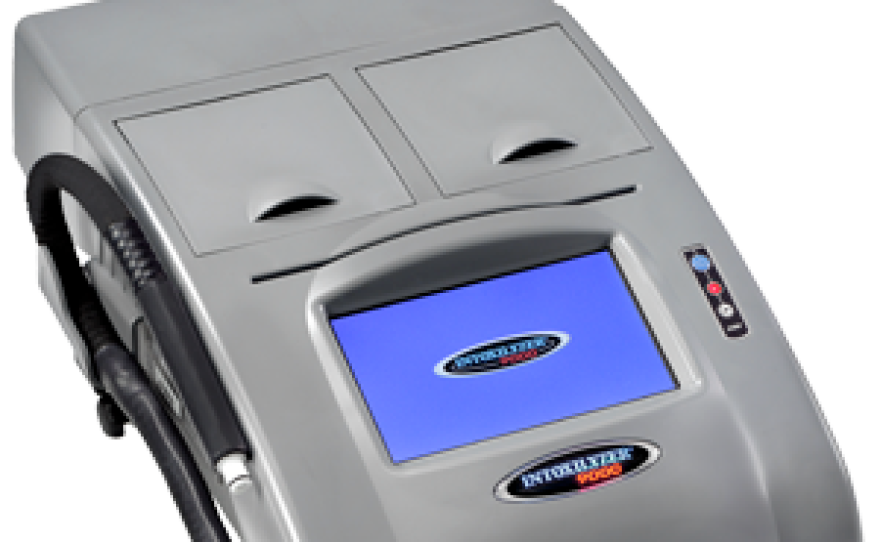
The result of the state testing of the individual’s breath to determine whether they are intoxicated or not is typically treated as a sure thing, a scientific fact, by the prosecution in the Atlanta metropolitan area when someone is arrested for driving under the influence. The Intoxilyzer 9000, developed by CMI, Inc., is the only machine used by law enforcement agencies in Georgia to test a suspect’s breath alcohol concentration at the station or jail. Often times, jurors and prosecutors will believe the numbers given on the machine to be an objective truth, believing that the machine operates with absolute, infallible precision. What you can’t tell from the printout, though, is that these devices are very complex, computer-like tools with proprietary software, firmware, and internal diagnostics. If you are facing a complex DUI case, it is never sufficient to simply take the output of the machine on faith. Questioning the integrity of the Intoxilyzer 9000 requires a deep investigation into the electronic chronicles of the machine, maintenance records and the digital architecture that transforms the breath sample into a criminal conviction.
The reason breath test data is readily vulnerable to attack is because of the operation of the Intoxilyzer 9000 under the hood. The instrument measures light absorption in a breath chamber to try to separate the ethanol molecules from contaminants in the environment and inside the body. However, the code and instructions that control this process are proprietary, that is, the manufacturer tightly guards the source code and firmware instructions. Defense lawyers nationwide have often made the argument that because the machine has not been made public what it is doing with the data, what its margins of error are, and how it handles electronic anomalies, the reliability of the machine is not guaranteed. Although the state of Georgia does not say the instrument falls within regulatory limits, there are several important questions about its blood alcohol reading as it relates to a blood alcohol test that remain unanswered, namely how background radio frequencies, internal error codes or instrumental glitches could affect a final BAC reading.
In addition to the controversy regarding the source code, all police department-issued Intoxilyzer 9000 units generate a digital paper trail and a physical paper trail.Outside the source code debate, each individual Intoxilyzer 9000 unit issued by a police department leaves behind a digital paper trail and a physical paper trail. In Georgia, these instruments must be inspected periodically and maintained in accordance with a calendar to assure that they are operating within acceptable tolerances. A history of historical calibration records, quarterly inspection certificates, and error logs for the machine that was used in an arrest will immediately be requested by a seasoned defense team. The admissibility of the state’s evidence may be seriously undermined if a machine exhibits a pattern of inaccurate diagnostic readings, missed maintenance periods, or calibration warnings before or shortly after the test. By revealing deficiencies in the maintenance records, the answer to the question can be lowered and in many instances the results of the “breath test” can be denied altogether.
In addition, digital and mechanical anomalies can be introduced in the operating environment within an Atlanta area holding facility or police precinct, which may impact the accuracy of the testing. The Intoxilyzer 9000 also conducts built-in tests for radio frequency interference and mouth alcohol to minimize the effects of such interference, but there are no guarantees. A failure to observe as required for the mandatory periods or if a fluctuation occurs in the device’s internal parameters during the testing sequence, would result in a data point that may be fundamentally unreliable. A major part of destroying the state’s electronic evidence involves questioning the arresting officer about how the system was operating, the use of software prompts and diagnostic messages on the screen during the test.
If a high-tech piece of forensic evidence is thrown at an attorney, and he does not challenge it, he lets the government get away with it. But by reviewing all the digital logs, maintenance certificates, and calibration records that have been kept on the Intoxilyzer 9000, the defense can throw out a seemingly overwhelming case. If an individual is in serious trouble in the municipal and county courts of Atlanta, having a savvy advocate such as James Yeargan advocate for them will ensure that all electronic and procedural protections are vigorously litigated, preventing the automatic infringement of rights.
